
Why Inspect Fabric Before It Goes Into Stock?
Link surface defects and width changes to individual rolls before cutting.
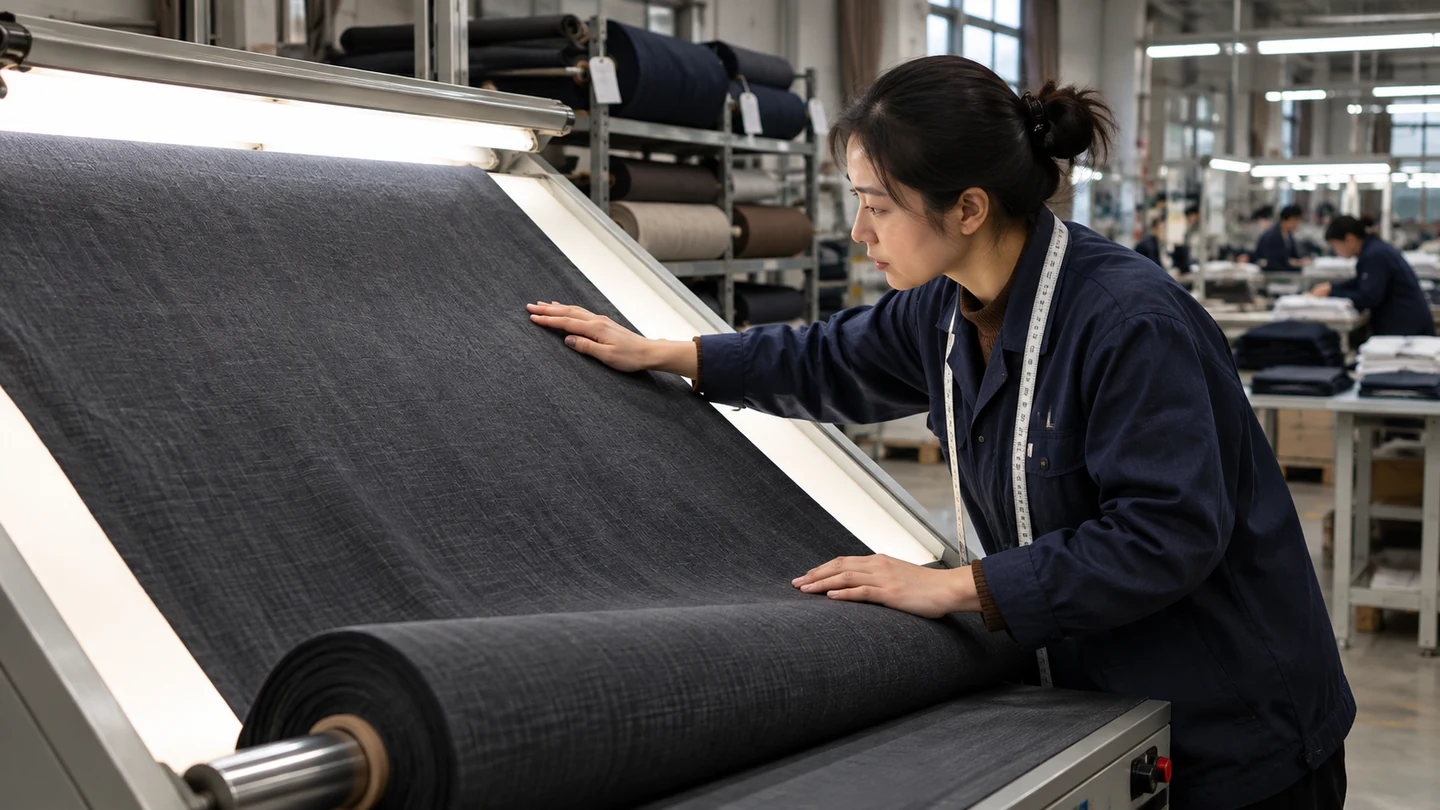
Scuffs, missing yarns, stains and width changes may be invisible in wrapping. Inspect before cutting to record what can be used, avoided or referred to the supplier.
Link every observation to a roll
Verify shade code, roll ID, quantity and material identification and inspect by the agreed method. Record where the defect starts from the roll end and its extent. Keep photos or swatches where useful. A generic defect note cannot guide cutting or estimate loss.
Tell downstream teams what is usable
Avoid small defects under approved rules. For clustered faults, significant width changes or repeated defects, confirm usable quantities and whether replacement is needed. Separate held and released rolls.
Early information on scope and available quantity gives the buyer time to replenish, reschedule or agree disposition.
Why Check a Women's Trouser Waistband While Seated? →
Tucked or Untucked? Design the Shirt Hem for the Way It Will Be Worn →